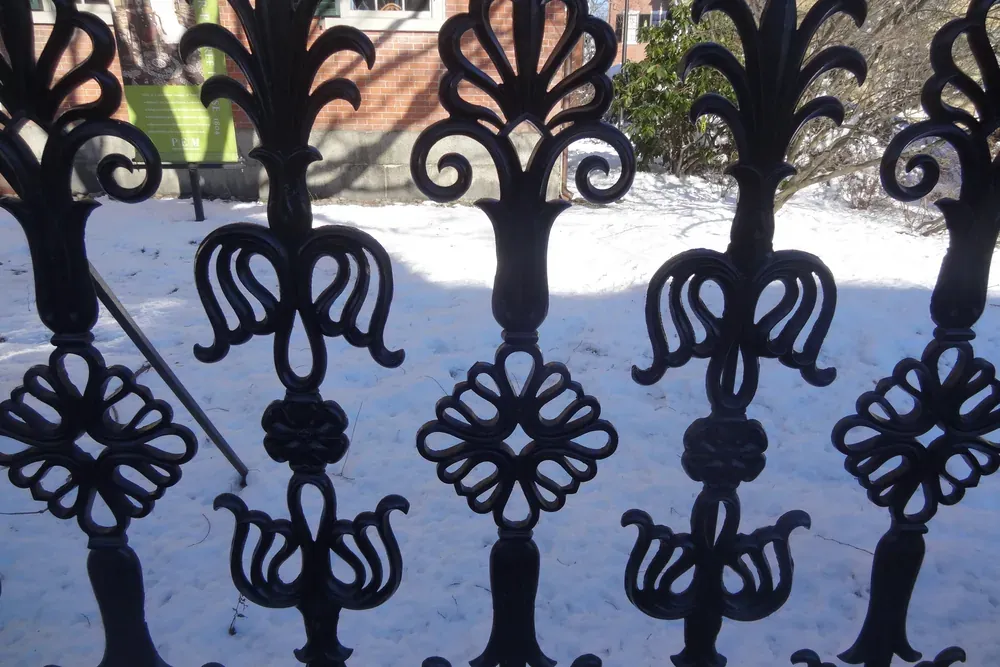
Wrought Iron Fence Installation in Glendale, CA
Professional, affordable, and local Glendale wrought iron fence installation. Call now for a FREE estimate (818) 555-0142.
Call Now(818) 555-0142
An iron fence costs about twice what a wood one costs and lasts about three times as long. Six feet of ornamental iron runs roughly $85 to $150 a foot installed, so a 150 foot run lands somewhere around $12,800 to $22,500. You buy it for three reasons in this city. It follows a slope without leaving gaps, it meets the state pool fence rule, and it will not burn. On a hillside lot that last one has stopped being a nice extra.
Most of what gets sold as wrought iron today is welded steel picket, dipped in zinc and then powder coated. True wrought iron is a repair material for old work and is priced that way. When a shop quotes you ornamental iron they mean steel, and for a fence that is the right answer, because steel is stronger and cheaper. With a zinc coat underneath and powder coat on top it will outlast anything else on a Glendale lot.
Iron also has an easier time with the city than most materials. The code lists what a fence over three feet can be made of, and metal is on that list with wrought iron given as the example. Because you can see through it, it does not block the view at a corner, and it is the only material allowed at full height in the front setback of the Horse zone, where the limit is forty eight inches.
There is also more local supply here than you would expect. Glendale has one of the largest Armenian communities outside Armenia, and ornamental metalwork came with it. There are shops in this city that will draw a panel, weld it and hang it rather than order a stock section from a catalog. That is why a custom iron fence in Glendale often costs closer to a stock one than it would somewhere else.
It wins around a pool. State law sets the pool fence at sixty inches minimum, measured from the ground outside to the top of the fence, with a gate that swings away from the water and closes and latches by itself. A pool built or heavily remodeled after January 1, 2007 also needs two of the seven approved safety features. A five foot iron fence with a self closing gate is the normal way people meet that rule without walling the pool off from view.
It wins on a slope, and the reason is a trick called racking. On a hillside lot in Chevy Chase Canyon or the San Rafael Hills the ground steps down, and a solid fence has to step down with it, which leaves a triangle shaped gap under every section. An iron panel pivots at the posts instead, so the pickets stay straight up while the rails follow the ground. It looks deliberate, and there is no gap for a dog to get through.
It loses badly on privacy, because you can see straight through it. People solve that by planting a hedge behind the iron, which works and is common all over Rossmoyne and Verdugo Woodlands, but it takes years and a lot of water. If the reason you want a fence is that you can see into your neighbor's kitchen, iron is the wrong buy.
It rusts in exactly one place. Inland Glendale has no salt air, so the top of an iron fence here will look fine for decades. What goes is the bottom two inches of the picket, where lawn sprinklers hit it several times a week through seven dry months. Ask whether the pickets are dipped in zinc before the powder coat goes on. Powder coat straight over bare steel is just a paint job, and once water gets under it at a chip, it lifts.
Someone measures the run and, on a slope, writes down how far the ground falls at each post so the panels can be racked instead of stepped.
Custom work gets drawn before it gets cut. This is the point to change the picket spacing, which matters if you have a pool or a small dog.
Home zones send anything over three feet to design review. Iron usually clears it easily because the code names the material.
Weld it, dip it in zinc, then powder coat it. Skipping the middle step is where cheap iron gets cheap.
Posts go in, panels get hung, gates get hung and adjusted. Pool gates get tested for self closing and self latching before anyone signs off.
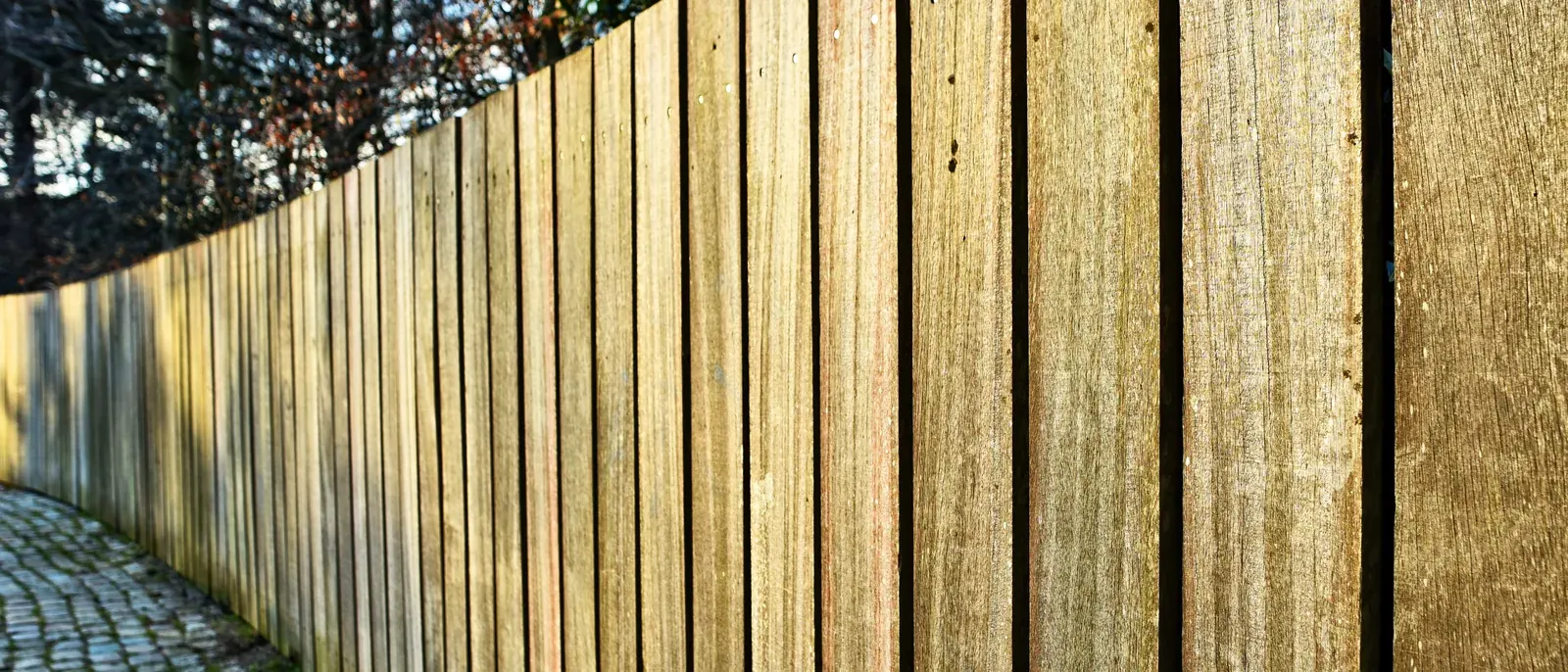
The normal Glendale back yard fence, and the cheapest way to get real privacy.
Learn More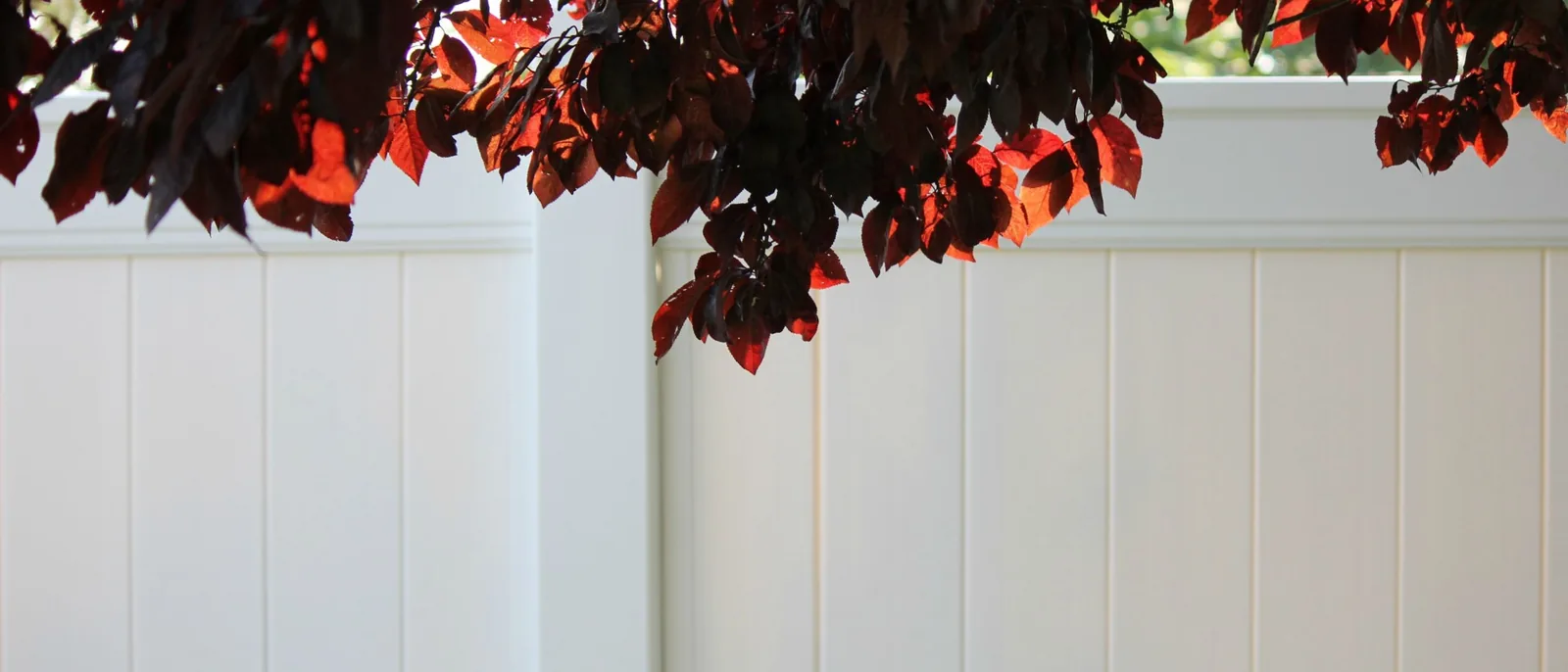
The one you never have to work on, with one catch worth knowing about.
Learn More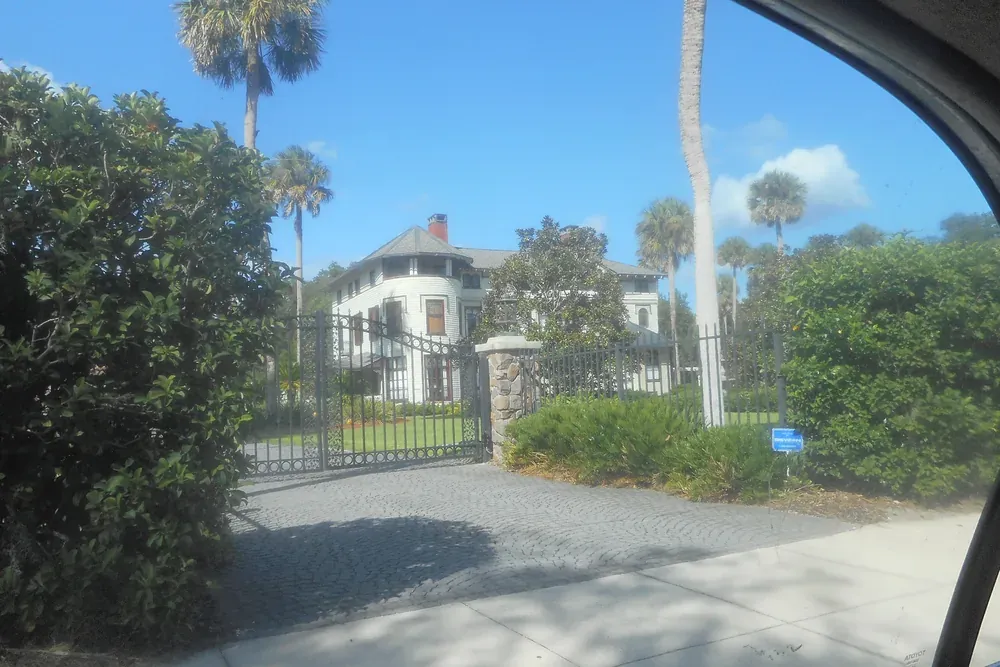
The part of the fence that moves, and the part that wears out first.
Learn More


One call and a few questions about your yard, then a local contractor comes out and measures. Tell him if your land slopes or if you live up in the foothills, because both of those change the price. The estimate is free and there is nothing to sign.
Call Now(818) 555-0142