Fence Company in Glendale, CA
We connect you with independent Glendale fence contractors.
Fence Contractors in Glendale, California
If your fence is leaning, falling apart, or simply is not there yet, we can get you a price on a new one this week. Tell us roughly what you need and we will put you in touch with a fence contractor who works in Glendale every week. He comes out, walks your yard, and gives you a real number instead of a guess over the phone. The estimate is free, there is no obligation, and nobody is going to chase you afterwards.
Our contractors handle the usual jobs: privacy fences for a back yard, walk gates and driveway gates, pool fences that meet the state code, and repairs when only part of a fence has gone. If you already know what you want, we will match you with someone who builds it. If you are not sure yet, the contractor will walk you through the options while he is there.
Here is what you are really getting, and it is the reason we only send you to people who work in this city. Glendale is not an easy place to put up a fence. The code here limits what a fence can be made of, it will not let you fence a front yard the way most cities will, and it sends almost every ordinary back yard fence through an extra city review that catches people by surprise. On top of that, half the city sits on a hill, and a hillside fence is a different job with a different price. A contractor who works Glendale knows all of that before he quotes. One who does not will give you a start date he cannot hold.
We should be straight about what we are, because it matters. Fence Company Glendale CA is a referral service, not the crew. We do not own a truck and we do not build anything. The contractor we send you carries his own license, his own insurance and his own warranty, and your contract is with him. He pays us for the introduction, so nothing is added to your price for coming through this site.
Our contractors cover the eight towns that touch Glendale, and only one of them follows Glendale's rules.
Fence Types Built Around Glendale
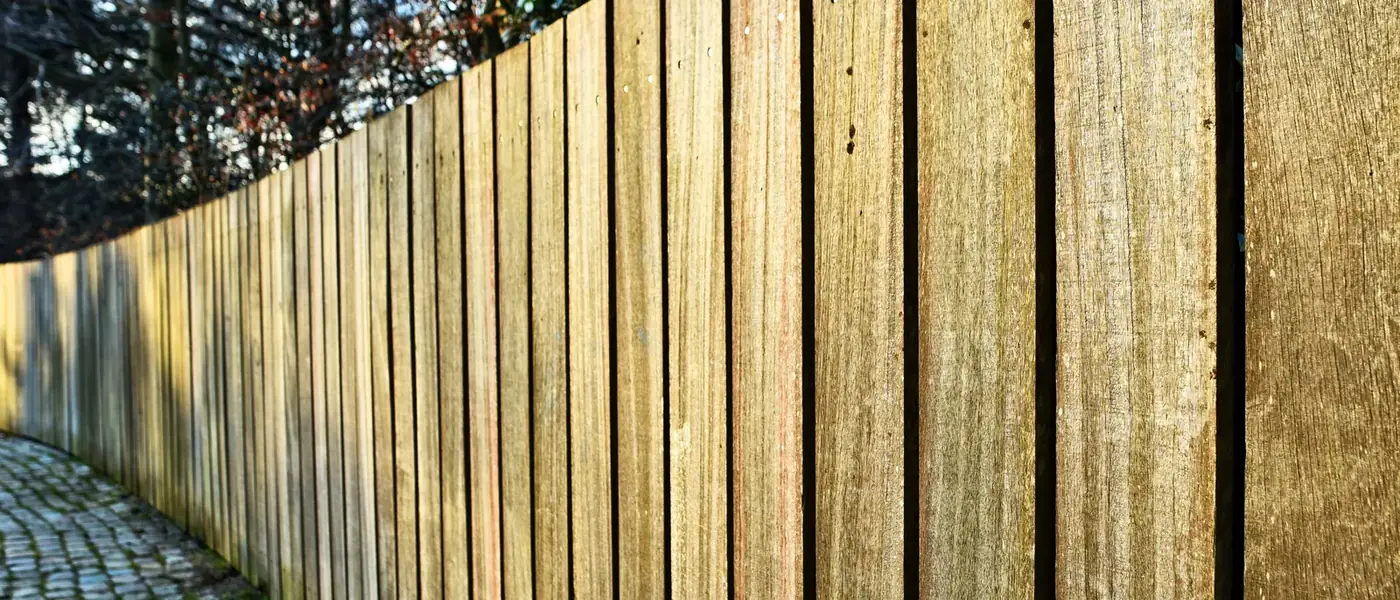
Wood Fence Installation
Redwood and cedar board is what most Glendale yards already have, and it is the first material the code names. Wood fences here fail at the bottom of the post where the sprinklers hit, so what goes in the hole matters more than what goes on top.
Learn More
Wrought Iron Fence Installation
Iron is the one example the code gives for metal fencing. It bends to follow a slope, it meets the pool fence rule, and it does not burn, which is now the deciding factor on any hillside lot.
Learn More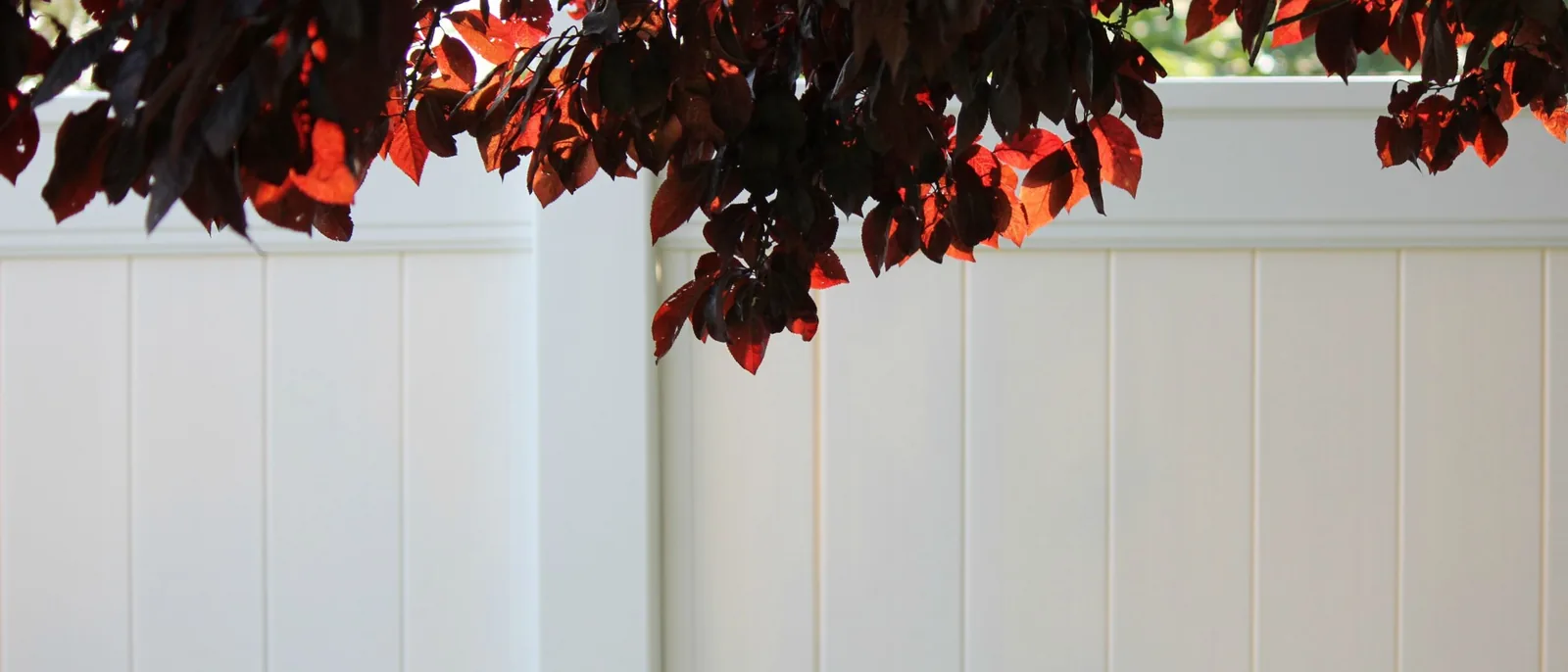
Vinyl Fence Installation
Vinyl never needs sealing, never rusts and never asks anything of you. The catch is that the code does not name it, so in home zones the city approves it one job at a time instead of automatically.
Learn More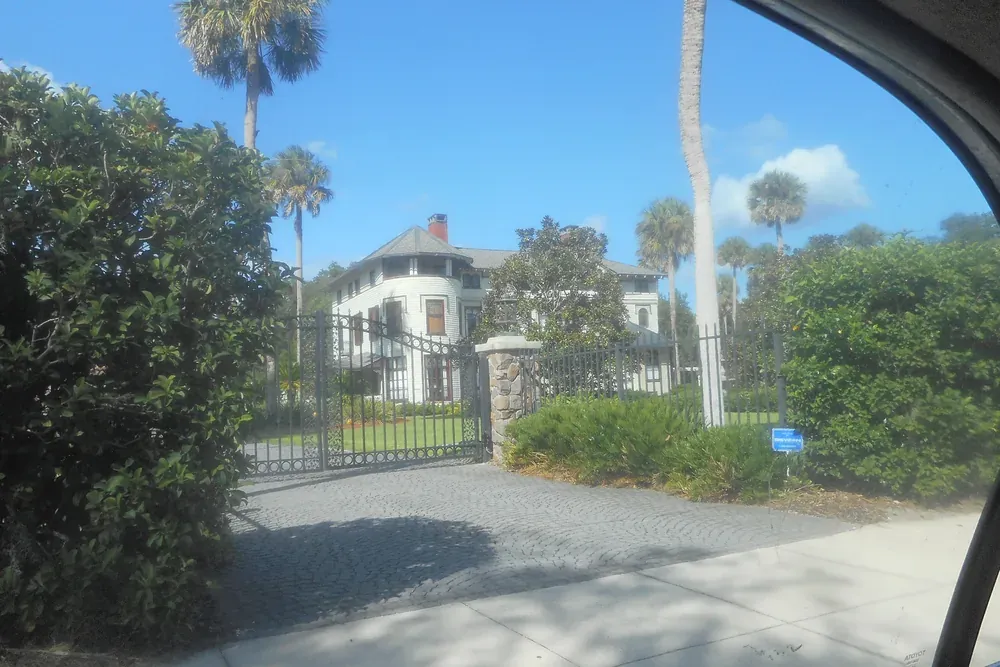
Gate Installation
The gate is the only part of a fence with moving parts, so it is almost always the first thing to fail. A dropped gate is nearly always a leaning post rather than a broken gate.
Learn MoreFence Materials And How They Hold Up In Glendale
Glendale gets under twenty inches of rain a year, and almost all of it falls between November and March. That one fact undoes most of the fence advice you will read online, because most of it is written for wet places where wood rots. Wood does not rot here. It bakes and cracks instead, and the post finally gives out at the one damp band where the sprinkler hits it.
There is also no frost line anywhere in Los Angeles County. In most of the country the depth of a post hole is set by how deep the ground freezes, but nothing freezes here, so depth comes down to wind and soil instead. If a contractor starts talking about frost depth, he copied that from somewhere else.
What The Code Rules Out
Chain link is the one that surprises people. The code only allows it in home zones when plants hide it from the neighbors, and bare chain link is fine for a tennis court but not where the street next door can see it. Barbed wire, razor wire, chicken wire and fiberglass are banned outright, and so is any fence carrying electricity.
Picking One
Redwood suits a flat back yard when you mostly want privacy, iron suits any slope or anything around a pool, and vinyl suits an owner who never wants to work on it. Iron costs about twice what wood costs but lasts about three times as long, so the two even out around year twenty.
One detail catches people out, and it is called racking. Iron panels pivot at the posts so the pickets stay straight up while the rails follow the ground downhill. Wood can be cut to match a slope too, but vinyl can do neither, so on a hill it has to step down in stages and each step leaves a triangle shaped gap underneath. That is how small dogs get out. On the flat streets in south Glendale it never comes up, but in the canyons it decides everything.
How This Actually Works
You Call Or Request A Quote
You call the number on this site or fill out the form with a few basics: your name, your number and the kind of fence you want. That is all it takes to get started.
You Reach One Local Contractor
You will not hit a call center, and five companies will not start ringing you. Your call and your form both go to a single fence contractor who works in Glendale. He is the one who talks with you and sets up a time to measure.
He Handles Planning And Permits
Almost every fence in this city needs the Planning office to sign off, and some need a building permit on top of that. This step is what sets your start date, not the building work itself.
He Does The Work And Stands Behind It
The contractor holds the license, the insurance and the warranty, and your contract is with him. If something goes wrong a year later, he is the one you call, not us.
Fence Pricing in Glendale, CA
Wood
Wrought Iron
Vinyl
Gates
What Really Moves Your Price
Access comes first. On a flat lot a crew can drive a small machine right up to the fence line and work off it, but on a canyon lot with no way in, every post hole gets dug by hand and every bag of concrete gets carried. Labor is most of a fence bill, so anything that adds labor adds cost.
The next question is whether the ground needs holding. A fence marks a line but it does not hold back dirt, and once a wall is holding dirt and reaches four feet from its top to the bottom of the footing, it needs an engineer and a set of drawings. That is why a price for a hillside lot and a price for a flat one are not really the same kind of number.
Height matters, but only at two points. Going from five feet to six changes almost nothing, while going from seven to eight crosses the permit line and adds weeks to the job. If you are choosing between six and eight feet, ask for both prices, because the jump is much bigger than two feet of wood.
From Call To Finished Fence
You Call
You call the number or fill out the form, and your details go straight to a fence contractor who works this city. He is the one who asks about your yard, the slope and what the fence is for.
The Measure
He walks the line, works out how he can get his equipment in, notes how far the ground falls, and confirms your zone, because some zones carry extra rules.
Planning And Design Review
This catches almost every six foot fence in the city, and it is the usual reason a start date slips.
Building Permit, If You Need One
You only need this for taller fences, walls that hold back dirt, or anything sitting next to a slope or the sidewalk. Most back yard fences skip it.
One To Three Days
The 811 call goes in first, then posts and concrete on day one. The concrete has to set before the boards and gates go on, because nobody hangs a gate on wet concrete.
What The Ground Under Glendale Does To A Fence
Glendale is really two different cities once you get below the surface. The flat south and center sit on soft dirt that washed down off the Verdugos over thousands of years, and it is deep, even and easy to drill. That is why a back yard fence in Vineyard, Citrus Grove or Pacific Edison goes in quickly.
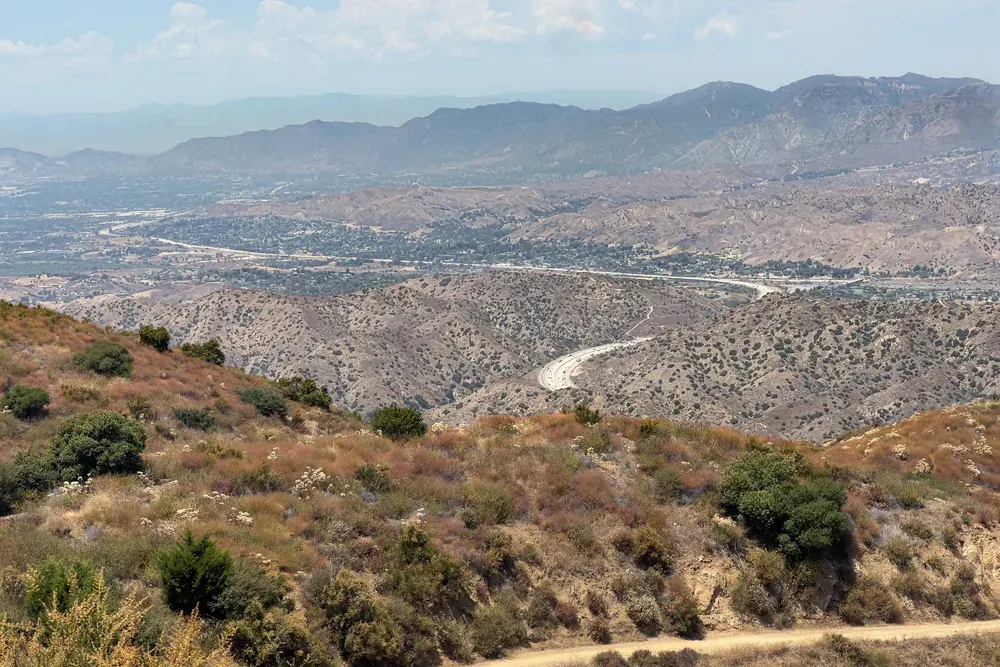
The hills are a different job. Up there the ground is crumbly granite with rock running through it, so a power auger either stalls or wanders off line and the holes get finished by hand. That is slower, and it is real work rather than padding on your bill. The trade off is that rocky ground grips a post hard once the hole is open.
Sprinklers, Sun And Santa Ana Winds
Wood fences here almost never rot along the whole run. They fail in one narrow band down at ground level, where sprinkler spray keeps the post damp a few times a week through seven dry months while everything above it bakes. Walk any Glendale alley and you will see the result, which is good boards on a leaning fence with three dead posts. If you are replacing a fence, moving the sprinkler heads off the line is the cheapest improvement you can make.
Wind is the other problem, and it is concentrated in one part of town. Santa Ana winds run downhill through the Verdugo canyons, and a solid six foot fence acts like a sail. Contractors who work those canyons set the posts deeper, move them closer together, or leave a gap under the boards so the air slips through instead of pushing.
Permits, Property Lines, And Calling 811
Glendale runs two approvals at two different heights, and the lower one catches the fence most people want. Getting it wrong rarely means a fine, but it does mean a start date that keeps sliding.
The building permit line is seven feet. You also need one for a wall that holds back dirt and stands four feet or taller, measured from the top of the wall to the bottom of the footing. And you need one if the fence sits next to a slope, the sidewalk or another building, or if something heavy above the wall presses on it, such as a driveway or a pool.
The design review line is three feet, and this is the one that catches people out. Any fence over three feet in a home zone goes to the Planning office, and a six foot fence is double that, so the ordinary back yard fence needs Planning even though it needs no building permit. You can call Planning at (818) 548-2140 or book a counter visit at GlendaleCA.gov/PlanningAppt.
The Front Yard Rule Nobody Expects
Glendale does not give front yard fences a lower height limit. Code 30.11.070 says you cannot put a building, wall or fence in the front setback at all, and the short list of what you can put there is retaining walls, planters and curbs up to eighteen inches. So a three foot picket fence out front is not a shorter legal fence, it is a thing that is not on the list. There is one exception, which is the Horse zone, where a fence can go there at up to forty eight inches as long as it sits five feet back from the curb.
Who Pays, And Who To Call Before You Dig
California Civil Code 841, better known as the Good Neighbor Fence Act, assumes you and your neighbor split the cost of a shared fence evenly, and that covers building it, keeping it up and replacing it. The step people skip is the notice: before you spend the money you have to give your neighbor thirty days written notice, and that notice has to tell them about the even split rule. State law also says you have to call 811 before you dig, which in Southern California means DigAlert, at least two working days ahead. A fence post hole counts as digging, and water lines, gas, cable and yard lights all sit at post depth.
What To Ask A Fence Contractor Before You Sign
We can hand you this list because we are not the one being checked. A real fence company cannot credibly give you a guide to checking fence companies. Every question below has a right answer for this city, and a contractor who works Glendale every week will answer all eight without stopping to think.
- What is your state license number and what type is it? You can look it up online in about a minute, and a fencing license covers fences and gates but not masonry walls.
- What zone is my house in, and does this fence need design review? If he does not know what design review is, he has not worked here.
- Does any part of this job go over seven feet, or sit next to a slope or the sidewalk?
- Who pulls the permit, you or me? If a contractor asks you to pull the permit for his own work, that is worth stopping to think about.
- What goes in the post hole, and how deep? There is no frost here, so the answer should be about wind and soil rather than a number from a national guide.
- Have you called 811 yet, and when? It has to be at least two working days before anyone digs.
- Is any part of this fence within five feet of my house, and what is that section made of? On a hillside lot this is the fire question.
- What is the warranty in writing, and does it cover posts? Posts are what fail in Glendale, so a warranty that leaves them out is not covering much.
One more thing, and it is not a question. Find your property line before anyone digs, because on the narrow lots in the older parts of town a single foot is a real share of the yard. A fence built over the line is the most expensive kind there is, since you pay once to build it and again to move it.
FAQ
How high can a fence be in Glendale?
−Do I need a permit for a fence in Glendale?
+Who pays for a fence between neighbors in California?
+How much does a fence cost in Glendale?
+Do I need a fence around my pool in California?
+Can you put a fence right on the property line?
+How long does it take to install a fence?
+Do you need a permit to replace an old fence?
+Areas We Cover



Get A Free Fence Estimate
One call and a few questions about your yard, then a local contractor comes out and measures. Tell him if your land slopes or if you live up in the foothills, because both of those change the price.
Call Now(747) 307-5501We connect you with independent Glendale fence contractors.