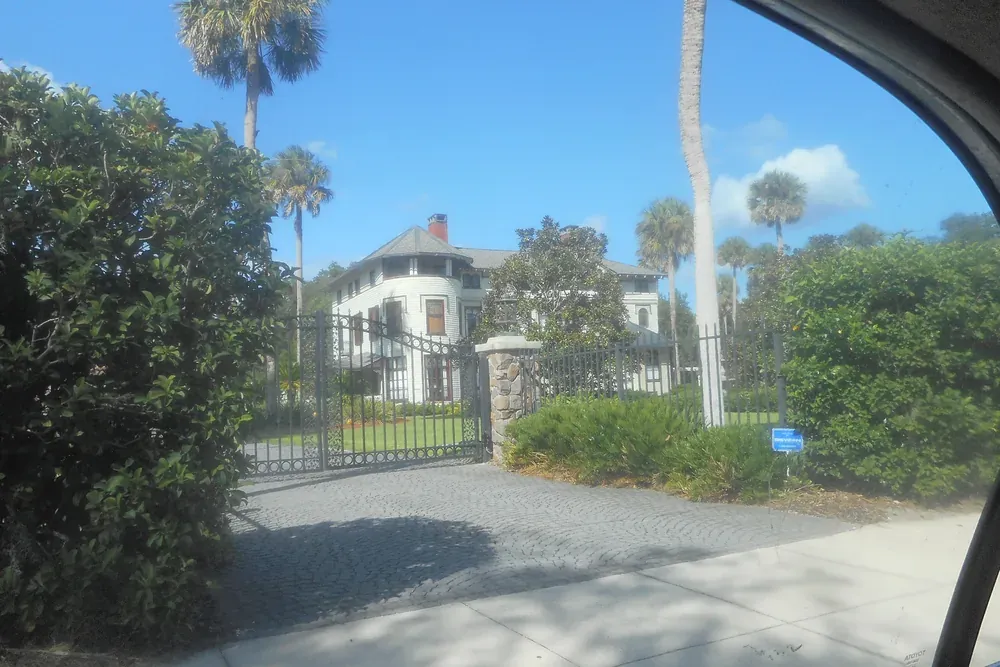
Gate Installation in Glendale, CA
Professional, affordable, and local Glendale gates fence installation. Call now for a FREE estimate (818) 555-0142.
Call Now(818) 555-0142
A gate is the only part of a fence with moving parts, which is why it is almost always the first thing to fail. A simple walk gate runs about $350 to $1,600 depending on the material, and a driveway gate runs anywhere from $1,400 for a basic wood one up to $12,000 or more for automatic iron. Most gate calls we get are not new fences. They are a gate that dropped, dragged, or stopped latching on a fence that is otherwise fine.
The reason gates fail is simple. A fence panel just stands there, but a gate hangs off one post and swings, so all its weight pulls on that single post every time somebody opens it. Do that a few thousand times and the post leans, and once the post leans the gate drags and stops latching. Almost every sagging gate in Glendale is a post problem rather than a gate problem.
That is why a good gate job spends most of the money underground and on hardware. The gate post goes deeper than the run posts and gets more concrete. On a vinyl gate it needs steel inside it. On a wide wood gate it usually wants a diagonal brace or a steel frame so the gate cannot rack out of square under its own weight.
Driveway gates are their own project. Anything automatic brings in an electrician for the power, a safety loop or sensor so it cannot close on a car, and a separate approval on top of the fence work. On the hillside streets there is a further catch, which is that a driveway on a grade needs either a swing gate with enough flat ground to open into, or a sliding gate with enough room alongside to slide.
The post is the first thing, and it is the same story that ends wood fences in this city. Sprinkler spray keeps the bottom of the post damp several times a week through seven dry months, and a gate post carrying swinging weight fails a lot sooner than a run post just standing there. If your gate has dropped, look at the post before you look at the gate.
Hardware is the second. Hinges and latches are the parts doing the actual work, and cheap ones are where a cheap gate gets cheap. On a pool gate this is not just a nuisance, because state law requires the gate to close and latch by itself every time, with the latch sitting sixty inches up or higher. A self closing hinge that has gone lazy is a failed pool barrier.
Wind is the third, and it hits driveway gates hardest. A wide solid gate in one of the Verdugo canyons is a large flat surface catching downhill Santa Ana wind, and that load goes straight into the hinges and the post. Contractors who work those streets often use an open iron design or leave a gap at the bottom so the wind passes through.
Ground clearance is the fourth, and it is the one people cause themselves. A gate hung tight to the ground looks neat on day one, then the first winter rain settles the ground or lifts it and the gate starts dragging. On a slope it is worse, because a gate swinging downhill needs clearance that a level gate does not.
Most gate problems start below ground, so the first thing worth checking is whether the hinge post has moved.
Width, weight and swing direction decide the hinges. On a slope this is also when clearance gets worked out.
A wood gate gets built on site or in a shop. Iron gets welded and coated, which takes longer.
Power, a safety sensor so it cannot close on a car, and a separate approval. This is the part that stretches the calendar.
The post goes in first and the concrete has to set. Nobody hangs a gate on wet concrete, because the weight will pull the post over.
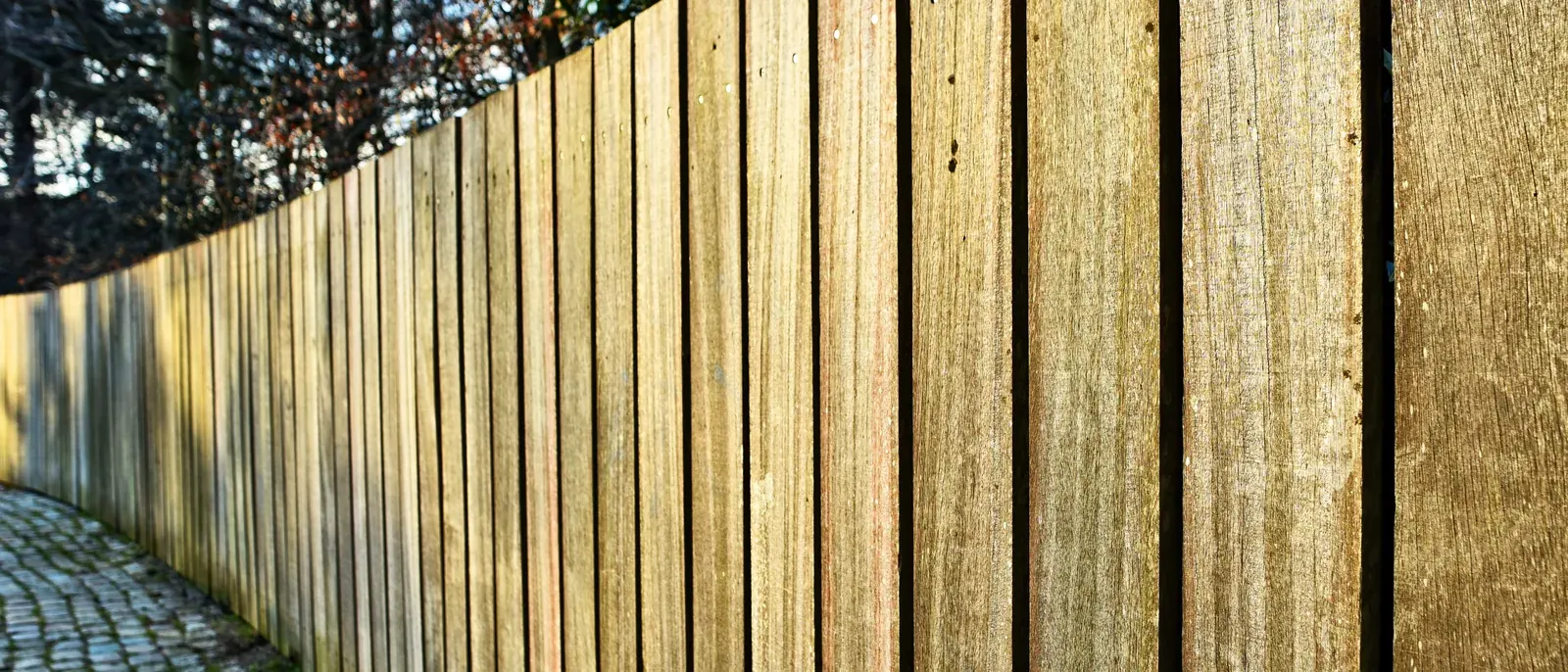
The normal Glendale back yard fence, and the cheapest way to get real privacy.
Learn More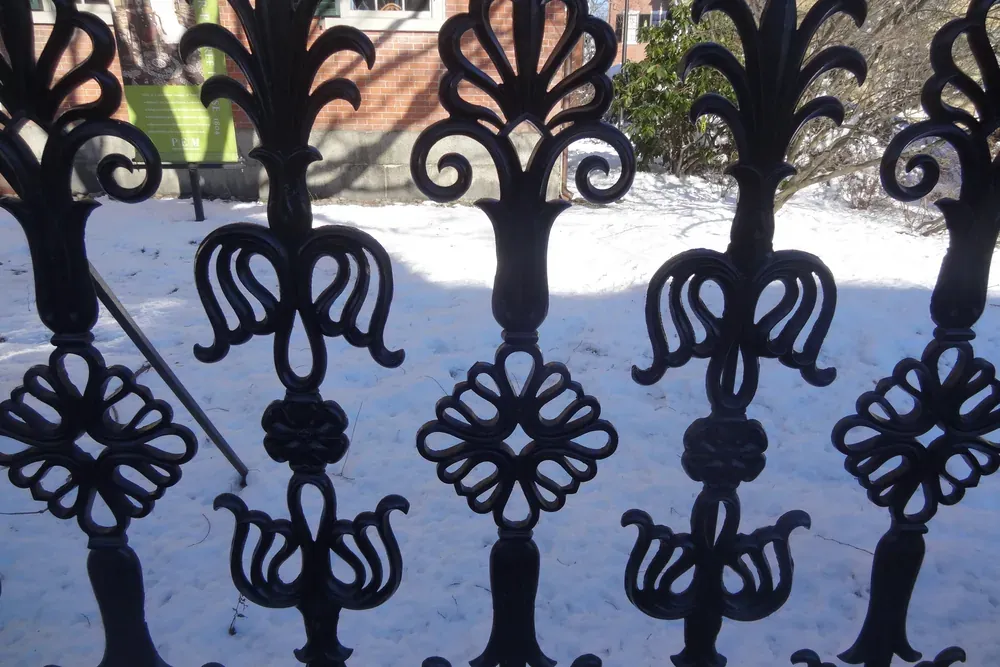
The right answer on a slope, around a pool, or anywhere fire is a worry.
Learn More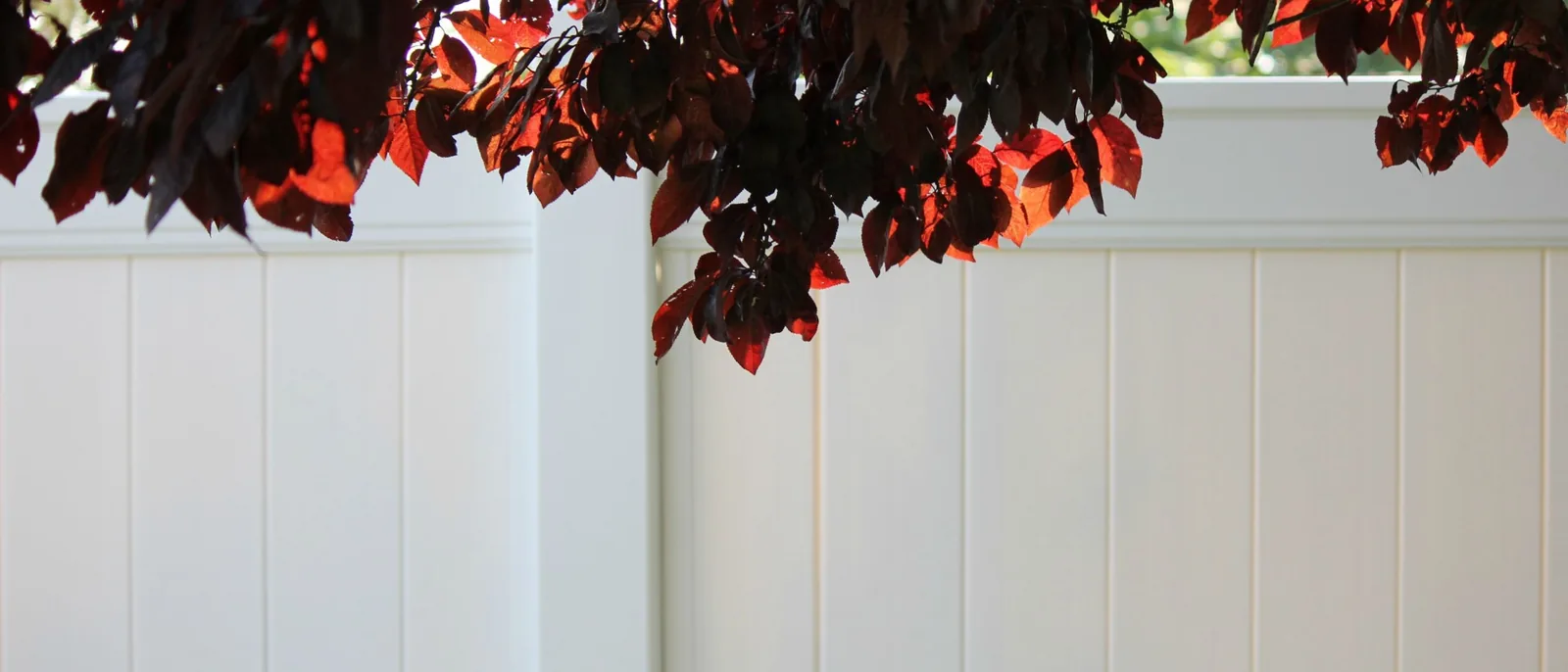
The one you never have to work on, with one catch worth knowing about.
Learn More


One call and a few questions about your yard, then a local contractor comes out and measures. Tell him if your land slopes or if you live up in the foothills, because both of those change the price. The estimate is free and there is nothing to sign.
Call Now(818) 555-0142