Fence Company in Glassell Park, CA
Professional, affordable, and local Glassell Park fence contractors and service. Call now for a FREE estimate (818) 555-0142.
Call Now(818) 555-0142
Our contractors cover Glassell Park, and this is the neighbor where the ground does most of the work of setting your price. Some of the streets here are as steep as anything in the area, and on a fence job that is not a small detail. Expect a site visit before any real number, because nobody can price these lots from a map.
Like Eagle Rock and Atwater Village, this is a City of Los Angeles neighborhood rather than part of Glendale, so Los Angeles rules apply and permits come through the Los Angeles building department. Glendale's rules stop at the line.
What makes this area different from the other Los Angeles neighborhoods on this site is not paperwork, it is the terrain. Fencing a level lot in Atwater Village and fencing a steep lot in Glassell Park are different kinds of work with different risks in the estimate.
The instinct is to assume a hillside fence costs more because it is harder to build. It is really about whether a machine can get to the line, and that one question drives more of the price than the material does.
With vehicle access, a crew brings an auger, drops the posts and has concrete delivered. Without it, holes are opened by hand, often in crumbly granite, and every post, every panel and every bag of concrete is carried by somebody. A day's work turns into three.
That is why a quote for a hillside property that matches a quote for a flat one should raise a question rather than relief. Either the contractor has not seen the site, or the difference is going to turn up later as an extra.
On a slope a fence cannot simply follow the ground if it is built from stiff solid panels. It has to be stepped down in stages, each section level and each one lower than the last. That looks deliberate and is perfectly normal, but it leaves a triangle shaped gap under every step.
Those gaps are the reason people call back. They are how a small dog leaves the garden and how a coyote gets in. Closing them means custom cut panels or building a low wall underneath to level the run, and both cost money that was not in the first number.
The alternative is a racked panel. Ornamental metal sections pivot at the posts so the pickets stay straight up while the rails follow the fall of the ground, which keeps the bottom rail close to the earth the whole way. On these streets that is often what decides the material, ahead of looks or price per foot.
The area sits close to where the Verdugo Wash meets the Los Angeles River, at the join between hill material and valley floor. That makes the ground genuinely unpredictable across short distances.
One property can be clean deep dirt that a power auger goes through in minutes. The property above it can be crumbly granite with rock through it, where holes get finished with a bar. Both are normal here and neither is a problem in itself, but they price differently.
The useful question is not whether the ground is good. It is what the contractor expects to find, how he knows, and what happens to the price if the first three holes say otherwise. Somebody who has worked the street will answer that easily.
On the steeper properties the real question often turns out not to be what the fence is made of, but whether the ground needs holding at all. A fence marks a line. It does not hold back dirt. If your slope is moving or stepping, a wall is doing the work and the fence is just sitting on top.
That changes the whole project. A retaining wall reaching about four feet from the top of the wall to the bottom of the footing is an engineered structure anywhere in California, needing drawings, review and inspection. Extra weight above it, from a driveway, a pool or the neighbor's higher ground, changes the design again.
It also changes who should be doing it. California's fencing license covers fences, railings, gates and barriers, and it specifically leaves out masonry walls. On a job that is really a wall with a fence on top, having two different kinds of licensed contractor involved is correct rather than suspicious.
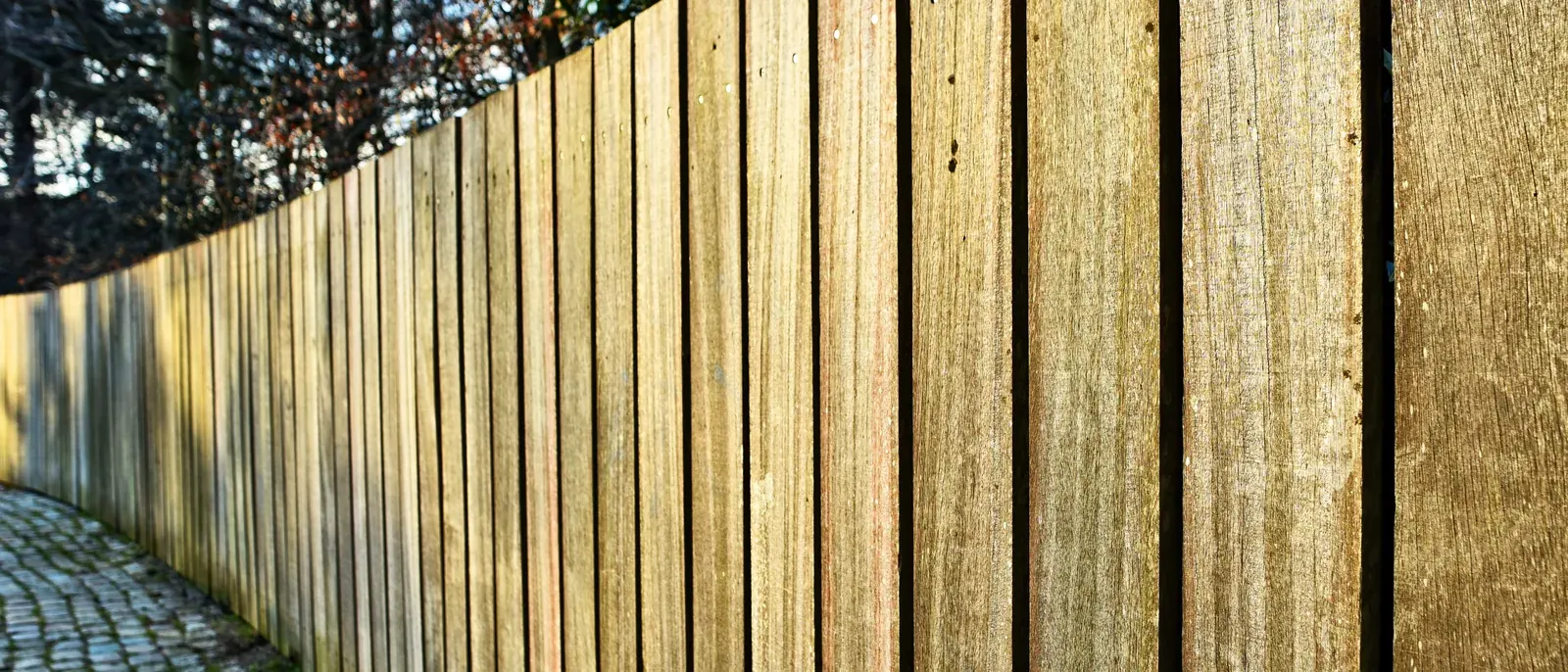
The normal Glendale back yard fence, and the cheapest way to get real privacy.
Learn More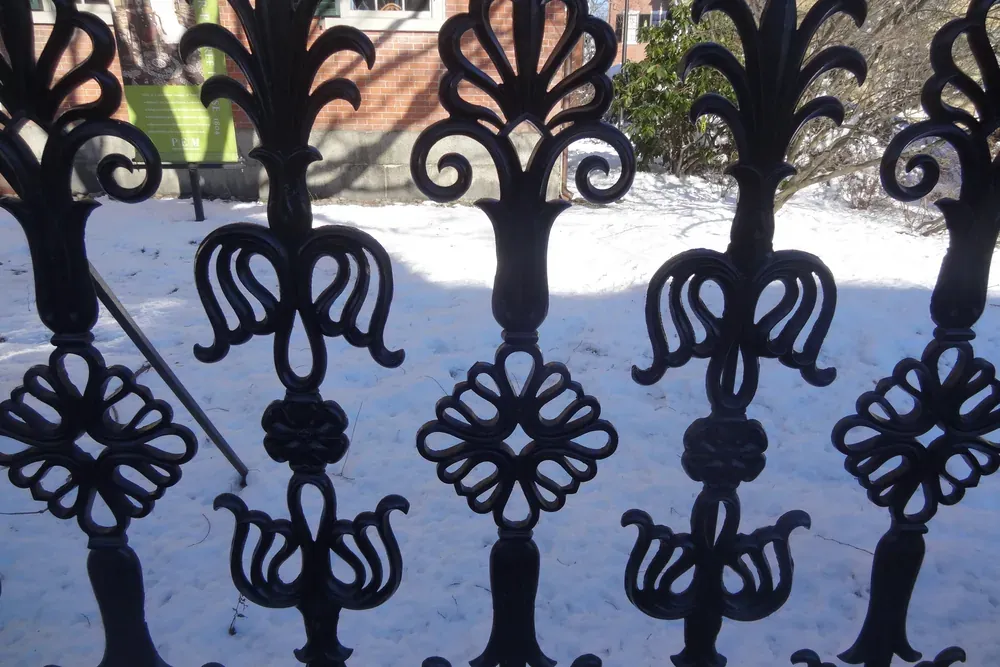
The right answer on a slope, around a pool, or anywhere fire is a worry.
Learn More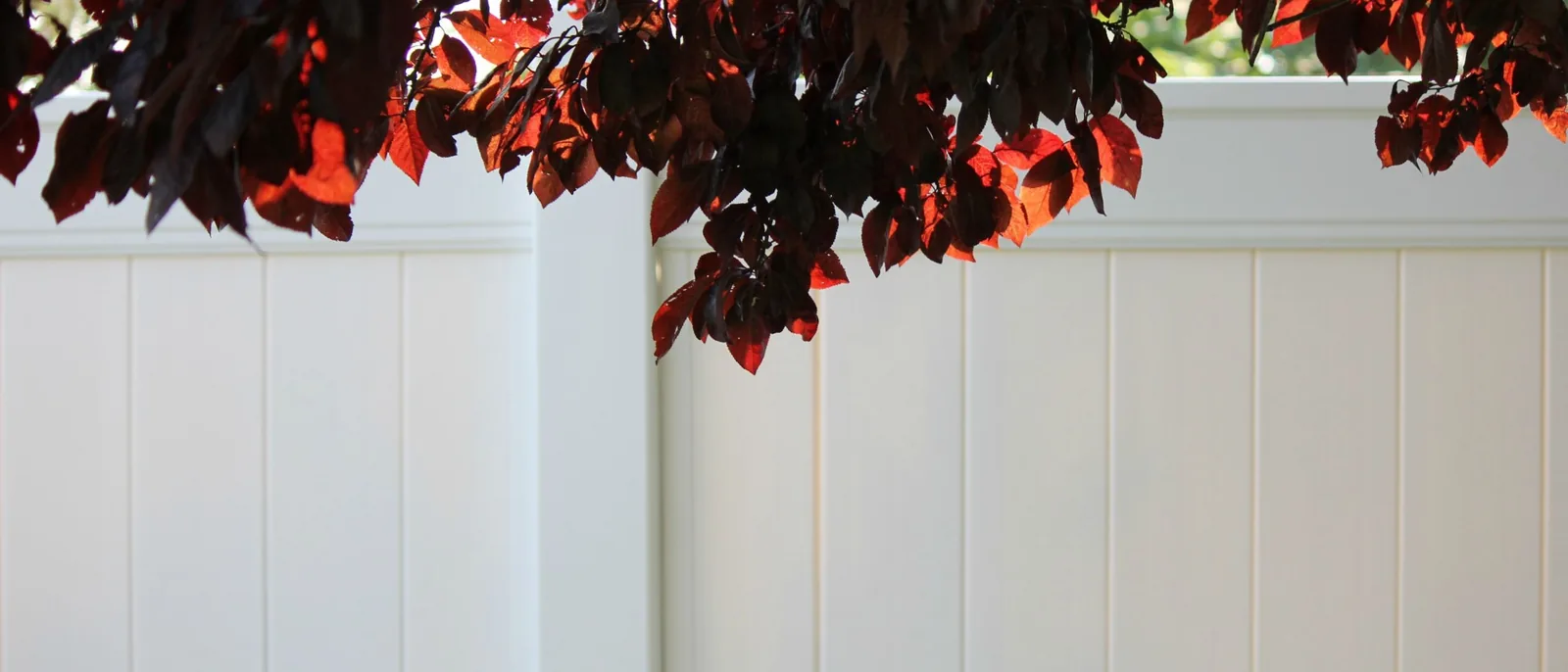
The one you never have to work on, with one catch worth knowing about.
Learn More
The part of the fence that moves, and the part that wears out first.
Learn More


One call and a few questions about your yard, then a local contractor comes out and measures. Tell him if your land slopes or if you live up in the foothills, because both of those change the price. The estimate is free and there is nothing to sign.
Call Now(818) 555-0142