Looking for fencing experts? We are just a call away!
Fence services in Glendale, CA

Fence Services in Glendale, CA

Professional, affordable, and local Glendale fence contractors and service. Call now for a FREE estimate (818) 555-0142.
Call Now(818) 555-0142

Our contractors build four kinds of fence in Glendale, and the choice is narrower here than it looks, because the city code does part of the choosing for you. Once a fence goes over three feet in a home zone you can use wood, block or brick, or decorative metal such as wrought iron. Anything else has to be approved case by case, which is where vinyl sits.

Chain link is the notable absence. It is only allowed where plants hide it from the neighbors, and it is banned outright where the street next door can see it. So the four pages below are not a catalog. They are what this city actually lets you build, with what each one costs and how long it takes.
Wood Fence Installation in Glendale, CA
Allowed In Every Zone

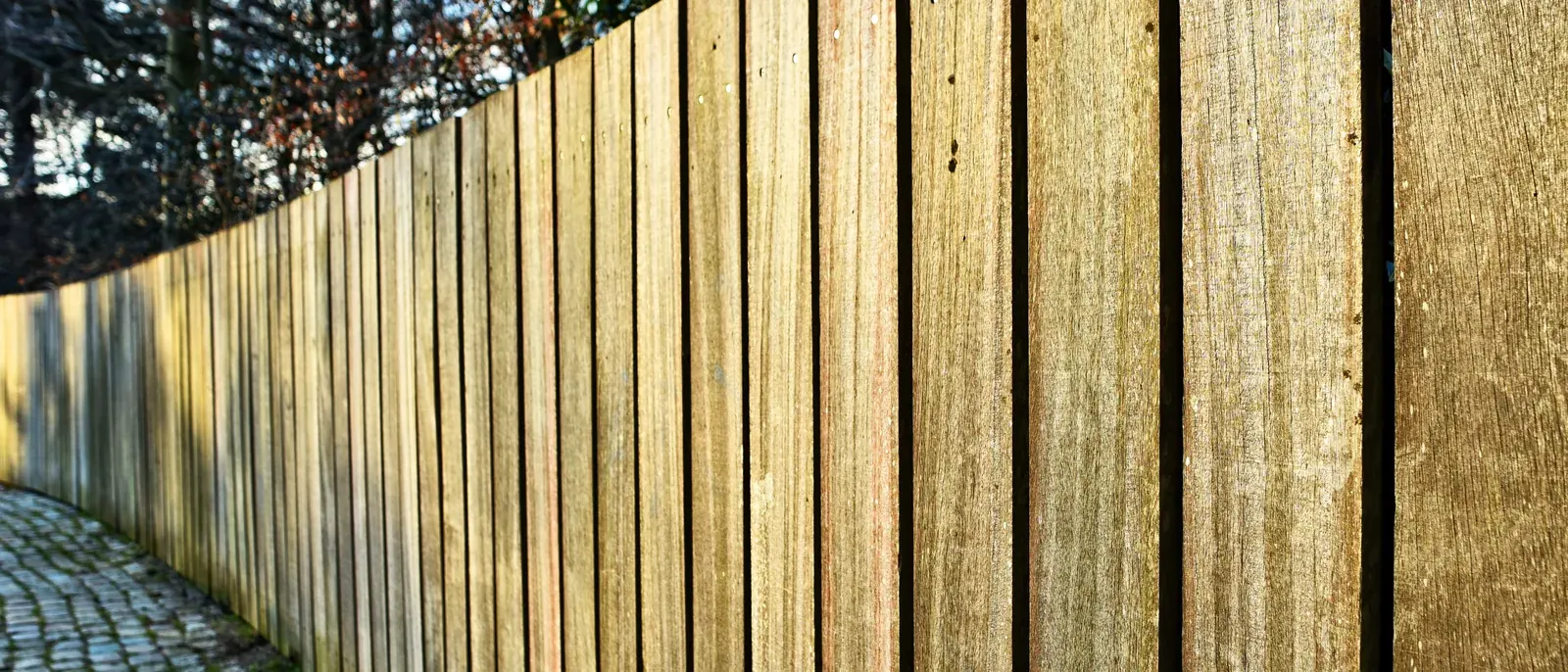
Wood Fence Installation

The normal Glendale back yard fence, and the cheapest way to get real privacy.

Learn More

Wrought Iron Fence Installation in Glendale, CA
Named In The City Code

Wrought Iron Fence Installation

The right answer on a slope, around a pool, or anywhere fire is a worry.

Learn More
Vinyl Fence Installation in Glendale, CA
Needs City Approval

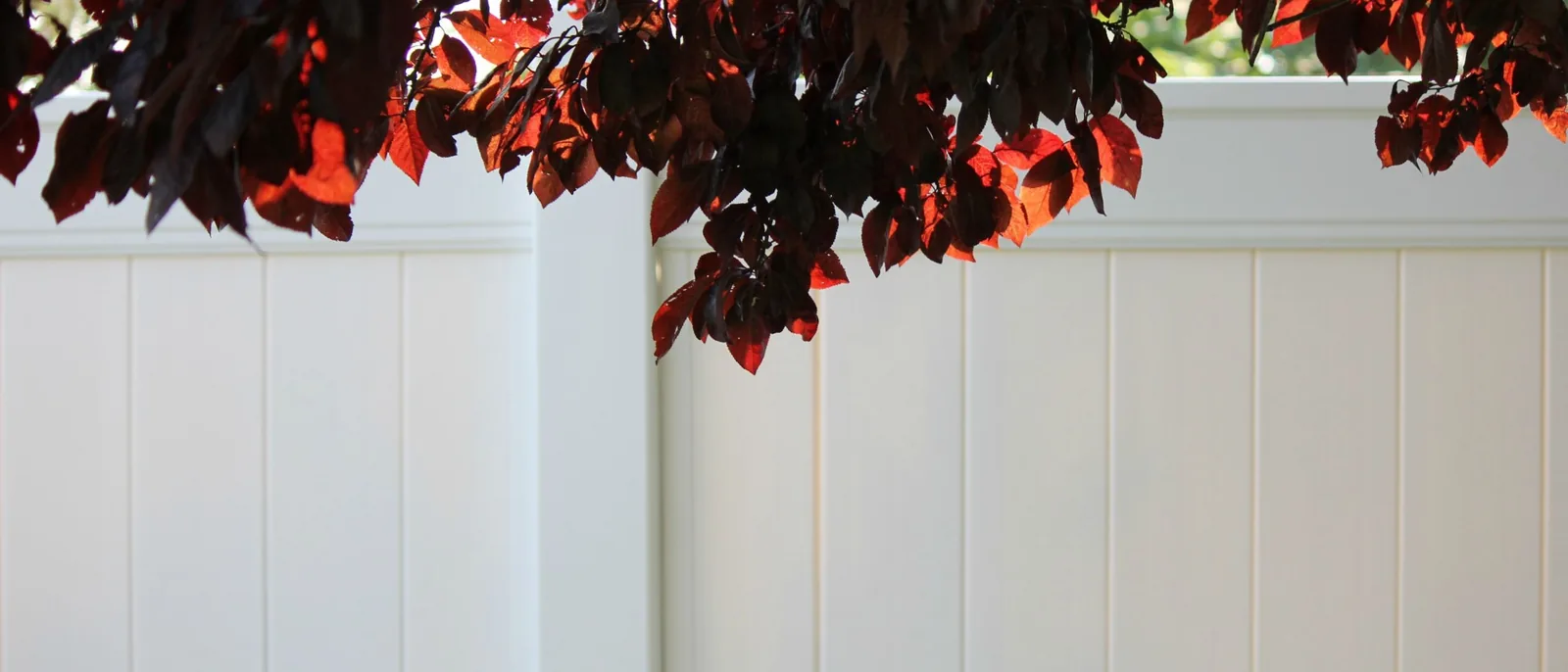
Vinyl Fence Installation

The one you never have to work on, with one catch worth knowing about.

Learn More
Gate Installation in Glendale, CA
Walk And Driveway Gates

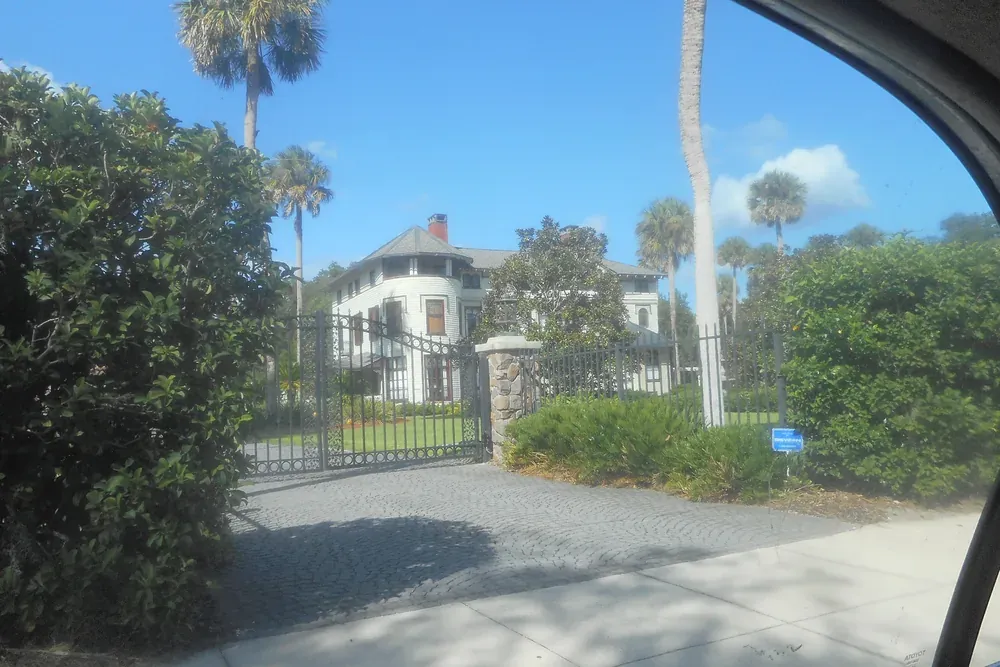
Gate Installation

The part of the fence that moves, and the part that wears out first.

Learn More

Fence Pricing Compared

Installed prices for Glendale. Whether a truck can reach the fence line moves these more than the material does.
MaterialPer linear ft150 ft yardLifespanMaintenanceBest for
Wood $45 to $75 per foot $6,800 to $11,300 for a 150 foot yard 15 to 25 yrs redwood Seal every 2 to 3 years Back and side yard privacy on flat lots
Wrought Iron $85 to $150 per foot $12,800 to $22,500 for a 150 foot run 40 yrs if zinc coated Touch up chips, otherwise nothing Pools, slopes, corner lots, fire zone properties
Vinyl $55 to $95 per foot $8,300 to $14,300 for a 150 foot yard 20 to 30 yrs if good Rinse it with a hose Flat lots, rentals, owners who want no upkeep
Gates $450 to $1,600 for a walk gate $700 to $1,600 for a typical side gate 10 to 20 yrs, hardware sooner Oil the hinges, check the latch yearly Replacing a dropped gate, or adding a driveway gate
These are numbers for planning rather than quotes. A hillside lot where no machine can reach the line can run a third above the same fence on flat ground.

How Long Each Fence Takes

How long each material takes from first call to finished fence.
MaterialQuote to startInstall timeTotalNotes
Wood 1 to 3 weeks 1 to 3 days 2 to 6 weeks Add two to six weeks if the fence needs design review or a permit.
Wrought Iron 3 to 6 weeks 1 to 3 days 4 to 10 weeks Fabrication is the slow part. Custom panels add two to four weeks.
Vinyl 2 to 4 weeks 1 to 2 days 3 to 8 weeks Color and style are ordered in, so stock choices go up faster.
Gates 1 to 4 weeks Half a day to 2 days 1 to 8 weeks A walk gate is quick. Anything automatic runs much longer.
Typical ranges. Weather, permits, and spring backlog all stretch them.

What Each Fence Costs Over Twenty Years

The table above prices the day you buy it. That is the wrong number to decide on, because these four materials do not age at anything like the same rate, and the cheapest fence on install day is rarely the cheapest fence to own.

Take a 150 foot back yard. Redwood lands around $6,800 to $11,300 installed, then wants sealing every two to three years at $3 to $7 a foot, seven or eight times over. Add posts giving way at the sprinkler line around year fifteen and a wood fence costs close to its purchase price again before it is done.

Ornamental iron starts near $12,800 to $22,500 for the same run, then does almost nothing for forty years beyond the occasional chip touch up, provided it was hot dip galvanized under the powder coat. The two converge around year twenty, and past twenty five the iron is cheaper. Vinyl sits between: more than wood on day one, nothing afterwards, and a life that depends on whether you bought virgin extrusion or reground.

Gates do not compare per foot at all, because you buy them one at a time. A walk gate runs $350 to $1,600 and a driveway gate runs $1,400 to $12,000, with anything automatic at the top of that. Gates are also the part that wears out first, because they are the only part of a fence with moving parts.

Which One For Which Situation

  • Flat back yard, privacy is the whole point, staying under ten years: redwood or cedar board.
  • Sloped lot anywhere in the canyons: ornamental iron, because the panels pivot to follow the ground instead of stepping down and leaving gaps underneath.
  • Around a pool: iron at sixty inches with a gate that closes and latches by itself, which is what state law asks for.
  • Within five feet of a house in the Verdugo foothills: iron, because the Zone 0 rules say that section has to be something that will not burn.
  • Rental property, or an owner who wants no recurring job: vinyl, which Glendale approves case by case rather than as of right.
  • A gate that has dropped or stopped latching: usually a new gate post rather than a new gate, which is a half day job.

The Question That Decides More Than Material

Before any of the above, establish whether a vehicle can reach the fence line. Access changes the number more than the choice between two materials does, and it is the one thing nobody can assess over the phone. A quote given without a site visit is a guess.
Fence Service Questions

Which fence material is best for a Glendale hillside lot?

Ornamental iron, most of the time, and the reason is shape rather than strength. Iron panels pivot at the posts, so the pickets stay straight up while the rails follow the ground downhill. Solid wood and stiff vinyl cannot do that, so on a slope they have to be stepped down in level sections, and every step leaves a triangle shaped gap underneath. Those gaps are how small dogs get out and how coyotes get in. On the steeper canyon lots the honest answer is sometimes that the ground itself needs holding, which is a retaining wall and a different trade. We do not build those, but a contractor who works these hills will tell you straight if that is what you are looking at.

Is chain link allowed in Glendale?

+
Barely, and that surprises people who priced it as the cheap option. In the home zones the city only allows chain link where plants hide it from the neighbors. Without plants it is allowed for tennis courts and similar, and it is not allowed at all where the street next door can see it. In practice that rules it out for most front and side yards around here, which is why it is not one of the four services on this site.

What is the cheapest fence that will actually last in Glendale?

+
Redwood board, with the money moved below ground. Wood is the cheapest fence on install day, and wood fences here almost never fail across the whole run. They fail in one narrow band at ground level, where sprinkler spray keeps the post damp a few times a week through seven dry months. So the upgrade worth paying for is what goes in the hole and how deep, not a better grade of board. Moving the sprinkler heads off the fence line at the same time is the cheapest thing you can do to make it last, and almost nobody does it.

Do all four materials need the same permits?

+
The building permit rules are the same for all of them, because those rules are about height and situation rather than material. You need a permit above seven feet, or for a wall holding back dirt that is four feet or taller from the top of the wall to the bottom of the footing, or if the fence sits next to a slope, the sidewalk or another building, or if something heavy above it presses on it. Design review is where they differ. Wood, block and decorative metal are named in the code as allowed over three feet in home zones. Vinyl is not named, so it goes through as another decorative material the city approves, which is an approval rather than a right.

Which material do I need if my house is in the fire zone?

+
For the section within five feet of the house, something that will not burn, which in practice means iron. A large part of north Glendale near the Verdugo Mountains sits in a high fire zone. On August 19, 2026 the state approved the final Zone 0 rules, which cover the first five feet around a house. They say the part of a fence touching the house has to be built from something that will not burn, and that no new fences or gates that can burn should go inside that zone. It does not mean rebuilding a whole boundary in iron. The usual answer is a mix, with something fireproof where the fence meets the house and whatever you like further out. The rules phase in and cities can go stricter, so check where things stand for your address.
Finished fence in Glendale, CA

Get A Free Fence Estimate

One call and a few questions about your yard, then a local contractor comes out and measures. Tell him if your land slopes or if you live up in the foothills, because both of those change the price. The estimate is free and there is nothing to sign.

Call Now(818) 555-0142