Wood Fence Installation in Glendale, CA
Professional, affordable, and local Glendale wood fence installation. Call now for a FREE estimate (818) 555-0142.
Call Now(818) 555-0142
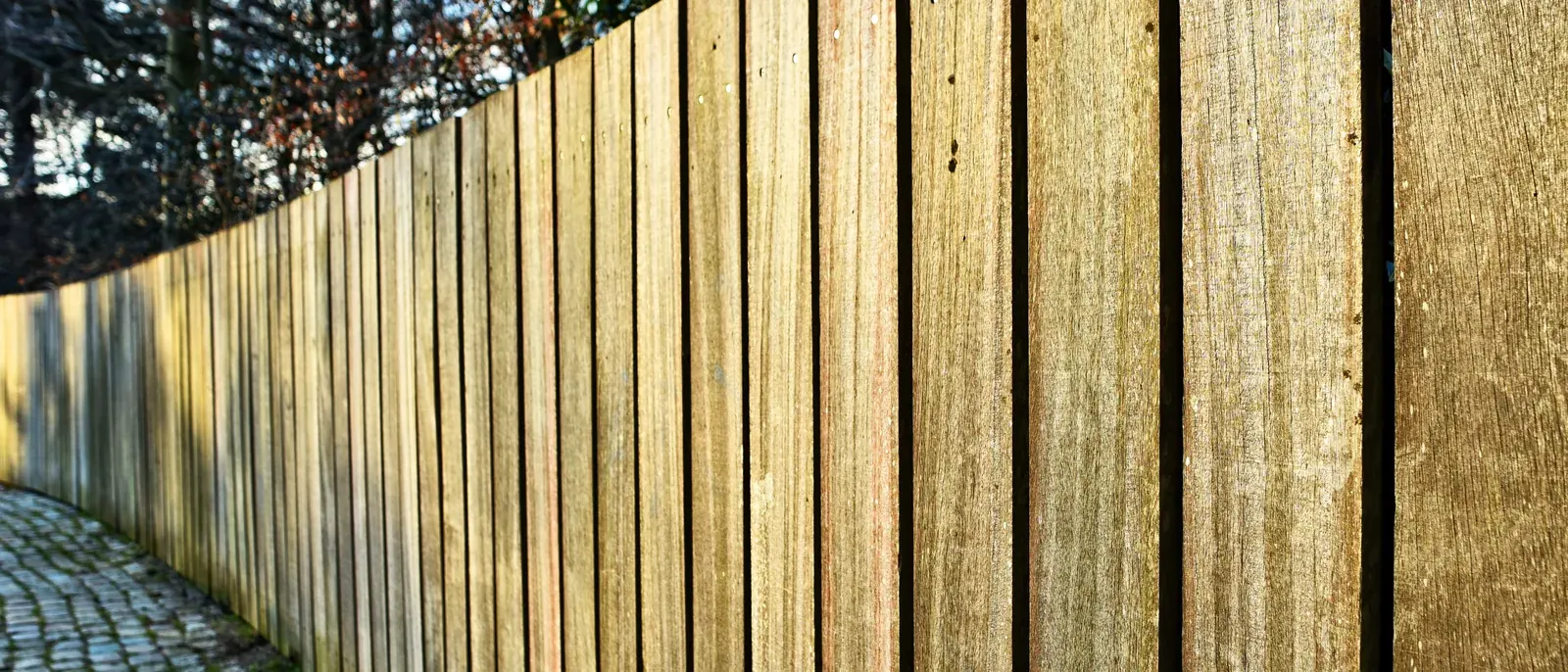
A wood fence is what most people picture when they picture a fence, and it is what most Glendale back yards already have. Six feet of redwood or cedar board runs about $45 to $75 a foot installed, which puts a normal 150 foot yard somewhere around $6,800 to $11,300. It is the cheapest way to get real privacy, every crew in the city has built a thousand of them, and it is the first material the city code names as allowed.
The standard build here is six feet of upright board on four by four posts set in concrete. Redwood has been the local default for a hundred years because it holds up to a climate that swings hard, from 100 degree dry heat in September to five straight days of rain in February. Cedar is the usual step up and costs about fifteen percent more. Treated pine turns up on cheaper jobs and on posts, which is where it belongs, since the post is the part that sits in wet concrete.
Height is where people get caught out. Six feet is normal in a back yard, but the front of the house is a completely different question, and the answer is not simply a shorter fence. Code 30.11.070 says nothing over eighteen inches goes in the front setback, and the only things allowed there are a retaining wall, a planter or a curb. Glendale does not set a front yard fence height at all, because a front yard fence is not on the list of things you can put there.
The second thing worth knowing is design review. In home zones any fence over three feet goes to the Planning office, which is not a building permit and is not the same counter. A six foot back yard fence is double that three foot line, so Planning sees it before Building and Safety ever does. Contractors who work Glendale every week build that step into the schedule, and the ones who do not will promise you a start date they cannot hit.
It is almost never rot along the whole run. Glendale gets under twenty inches of rain a year and nearly all of it falls between November and March, so a board fence here dries out for seven months straight. What fails is the post at ground level, where sprinkler spray keeps one narrow band damp while everything above it bakes. Walk any Glendale alley and you will see the result, which is perfectly good boards on a fence leaning over because three posts gave up.
Sun is the second thing. A fence facing west takes hard afternoon light with almost no humidity in the air, and bare redwood turns silver in two summers and starts cracking by about year four. At first that is only a matter of looks, but it does not stay that way, because those cracks open the wood up and let it soak in water once the rain finally arrives.
Wind is the third, and it is concentrated in one part of town. Santa Ana winds run downhill through the Verdugo canyons and hit hardest in the neighborhoods with the longest fence runs, which are the hillside lots in Chevy Chase Canyon, Glenoaks Canyon and Verdugo Woodlands. A solid six foot board fence acts like a sail up there. Contractors who know those canyons set the posts deeper, move them closer together, or leave a gap under the boards so the air slips through instead of pushing.
Fire is the newest one, and it is a rule change rather than a weather problem. On August 19, 2026 the state Board of Forestry approved the final Zone 0 rules, which cover the first five feet around your house. They say that first five feet of any fence touching the house has to be built from something that will not burn, and that no new fences or gates that can burn should go inside that zone. The rules phase in over time and cities are allowed to go stricter. If you live in the foothills, ask about this before you buy a wood fence that runs into your wall.
A contractor walks the line, checks the slope, and confirms which zone the property sits in, because that changes what you are allowed to build.
The corners get checked against the survey, and the 811 call goes in at least two working days before anyone digs, which state law requires.
In home zones a fence over three feet goes to design review, and this is the step that moves start dates more than anything else.
The city asks for a permit above seven feet, and also if the fence sits next to a slope or the public sidewalk.
Posts and concrete go in on day one and the concrete has to set before the rails, boards and gates go on. Nobody hangs a gate on wet concrete.

The right answer on a slope, around a pool, or anywhere fire is a worry.
Learn More
The one you never have to work on, with one catch worth knowing about.
Learn More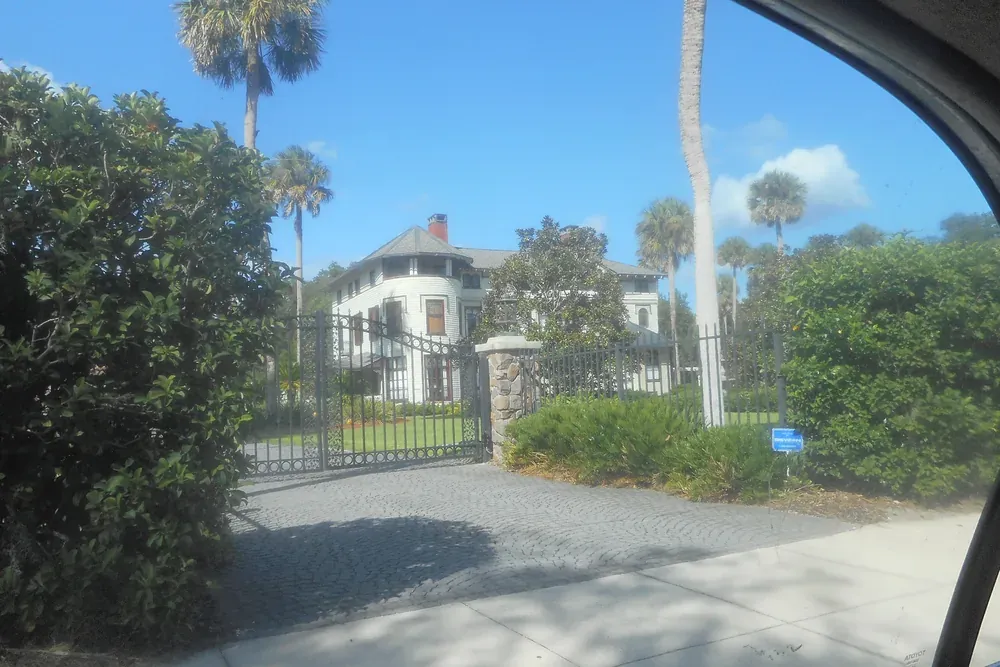
The part of the fence that moves, and the part that wears out first.
Learn More


One call and a few questions about your yard, then a local contractor comes out and measures. Tell him if your land slopes or if you live up in the foothills, because both of those change the price. The estimate is free and there is nothing to sign.
Call Now(818) 555-0142